Posts

Enhancing Accessibility with ADA Approved Detectable Warning Surfaces

Image
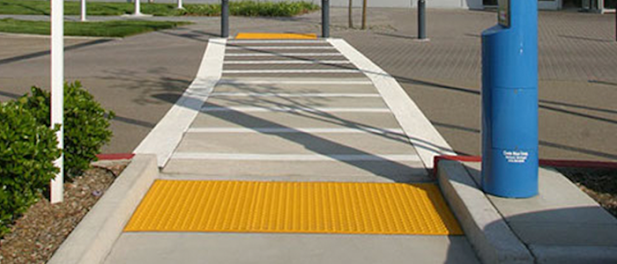
In the realm of accessibility and safety, ADA approved detectable warning surfaces play a pivotal role in creating inclusive environments for all. These tactile paving solutions are designed to assist individuals with visual impairments, promoting safe navigation and independence. In this article, we will delve into the significance of ADA approved detectable warning surfaces and explore their various applications.   Understanding ADA Approved Detectable Warning Surfaces ADA (Americans with Disabilities Act) compliant detectable warning surfaces are specialized tactile tiles or panels installed on pedestrian pathways, transit platforms, and other public spaces. These surfaces feature a distinct pattern of raised domes or truncated domes, providing a tactile indicator for individuals with visual impairments. The purpose of these detectable warnings is to alert pedestrians about upcoming changes in the walking environment, such as approaching intersections, transit platform ed...
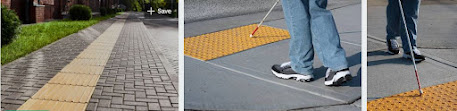
ADA Detectable Warning Tiles- A Comprehensive Guide

Image
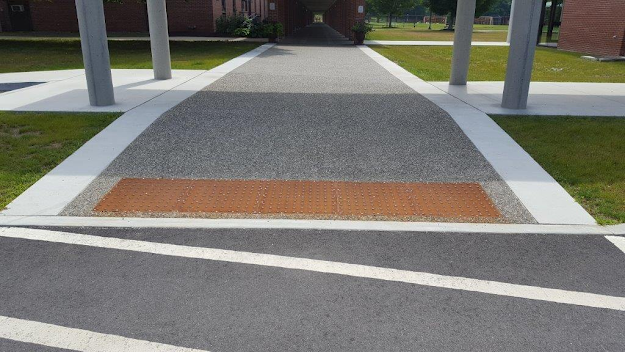
  ADA detectable warning tiles , also known as truncated dome tiles, are tactile surfaces that provide a warning to people with visual impairments of changes in their environment. These tiles are typically placed at the intersection of pedestrian walkways and hazardous vehicular areas, such as sidewalks and crosswalks. They can also be used to mark other hazardous areas, such as stairs, elevators, and construction zones. ADA detectable warning tiles must meet certain specifications in order to be considered compliant with the Americans with Disabilities Act (ADA). These specifications include: The tiles must have a truncated dome pattern with a diameter of 0.9 inches and a height of 0.2 inches. The tiles must be made of a durable material that is resistant to wear and tear. The tiles must be contrasting in color to the surrounding surface so that they are easy to see. The tiles must be flush with the surrounding surface so that they do not pose a tri...

Exploring the Functions and Benefits of Cast Iron Tactile Pavers

Image
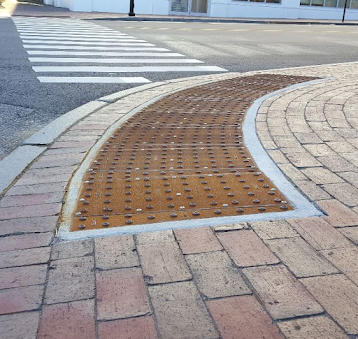
  The utilization of cast iron tactile pavers revolves around optimizing pedestrian convenience with an overarching goal of safeguarding individuals. These specialized tiles find their place on thoroughfares, walkways, and sidewalks, serving as an alert system, forewarning pedestrians of potential hazards such as crossings and elevations. Let us delve deeper into the realm of cast iron tactile pavers, comprehending their intricacies, commencing with the unique design that provides these pavers with an elevated aspect. What Constitutes the Design of These Tactile Pavers? These pavers boast a distinctive, bubble-like formation, setting them apart from their counterparts. Yet, stepping onto these tiles does not induce a sense of instability or the risk of stumbling. Instead, they serve as a tactile signal, perceivable through one’s feet. The instant one steps onto a detectable tile, heightened alertness ensues, resulting in a gradual reduction of walking speed to ensure safety. What I...

Why is cast iron tactile Important for the Blind?

Tactile warning strips are an essential element of urban infrastructure designed to enhance the accessibility and safety of public spaces for individuals with visual impairments. These strips serve as a tactile indicator, alerting those with visual impairments to potential hazards and guiding them safely through pedestrian areas. Understanding where these tactile warning strips are required is crucial for urban planners, architects, and city officials to ensure that public spaces are inclusive and compliant with accessibility standards. What Are Tactile Warning Strips? Tactile warning strips, often referred to as tactile paving or detectable warning surfaces, are a textured surface typically made of materials like concrete, rubber, or stainless steel. These strips feature a pattern of raised dots or bars that can be felt underfoot or with a cane, providing tactile cues to pedestrians with visual impairments. They are used to indicate various types of information, including approaching ...

Understanding ADA Approved Detectable Warning Systems: A Comprehensive Guide

ADA approved detectable warning systems are instrumental in providing accessibility and safety for visually impaired individuals. By following the guidelines set by the ADA and implementing proper installation and maintenance practices, public spaces can be made more inclusive and accessible for everyone.

Advanced Warning Solutions for ADA Compliance and Accessibility Empowerment

ADA Approved Detectable Warning   refers to a surface feature installed on a pedestrian pathway or curb ramp to warn visually impaired individuals of approaching danger. The warning system comprises a detectable surface that uses different textures or patterns to alert people of the boundary between a pedestrian pathway and a vehicular area.

Navigating with Confidence: The Role of Cast Iron Tactile Paving in Accessibility

Image
  Cast iron tactile paving is a type of tactile paving that is designed to help individuals with visual impairments navigate safely through public spaces. However, its benefits are not limited to those with visual impairments. Cast iron tactile paving can also benefit others, including the elderly, people with mobility impairments, and children who are just learning to walk.   Benefits of Cast Iron Tactile Paving Beyond Accessibility One of the main advantages of cast iron tactile paving is its durability. Made from high-strength iron, it can withstand heavy pedestrian traffic and harsh weather conditions, making it ideal for outdoor public spaces. Additionally, cast iron tactile paving is slip-resistant, ensuring that everyone can walk safely on it. This slip-resistant quality is especially important for individuals with mobility impairments, as it helps prevent slips and falls. 1.        Cast iron tactile paving can benefit everyone, no...

Cast Iron Detectable Warnings: Ensuring Safe and Accessible Spaces for All

Image
In today's fast-paced world, where everyone is rushing to get from one place to another, it's easy to overlook the importance of accessibility. However, for the millions of people worldwide who have disabilities, accessibility is not a luxury, but a necessity. It is essential to ensure that public spaces are designed to accommodate individuals with disabilities, allowing them to navigate through their surroundings independently and safely. One of the most critical elements of accessible design is the installation of detectable warnings, and cast iron detectable warnings have emerged as the preferred choice for many designers and architects.   What Are Detectable Warnings? Detectable warnings are a type of tactile paving that provides a distinctive surface pattern designed to alert individuals with visual impairments to an approaching hazard. These warnings are required by law in many countries, including the United States, under the Americans with Disabilities Act (ADA)....

The Importance of ADA Truncated Domes for the Visually Impaired

Image
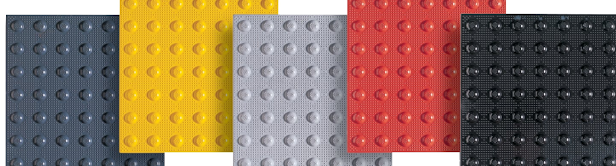
One of the ways that the ADA is enforced is through the implementation of various solutions that make public spaces more accessible for people with disabilities. One such solution is the use of truncated domes. Truncated domes are small, raised bumps or domes that are used to create a tactile surface that can be felt underfoot. These domes are used to alert individuals who are blind or visually impaired of their proximity to a potential hazard, such as a street intersection or a transit platform edge. Explanation of Truncated Domes Truncated domes are typically made of a durable material, such as concrete or rubber, and are installed in a grid pattern. The domes are usually between 0.9 and 1.4 inches in height, and have a diameter of 2.35 inches. The surface of the domes must have a coefficient of friction greater than 0.60 when wet. Where are Truncated Domes Used?   Track Crossings One of the most common places where truncated domes are used is at track crossings. The...

In the design of footpaths, how can cast iron detectable warnings be used?

Image
Walking is only safe following the usage of cast iron detectable warning, especially for people who are visually challenged. A footpath is made specifically with pedestrians in mind, ensuring their safety. Developing a footpath design It is a walking area raised and cut from the main road where vehicles run. The objective of creating footpath is to keep walkers safe. But the earlier design was only for those that can see clearly. Visually impaired people had to struggle to find their ways. They had to use their sticks to find their ways. But things changed faster and footpath designers started using raised tiles. Cast iron detectable warning is now part of the footpath design. Its objective is to prevent pedestrians from diverting to either side of the footpath. Also, the objective is to aware walkers about slopes, bridges, stairs, and wet area. Pedestrians can continue to walk on the footpath following the raised tiles. For example, if a pedestrian accidentally steps to either side o...

How Are ADA Detectable Warning Tiles Changing Footpaths?

Image
  Visually impaired people use sticks to find their ways. But now there ADA detectable warning tiles to help them in adhering to their ways. These are different tiles as they have raised platforms. The objective of these tiles is to design walkways.   Let’s discuss the various uses of these warning tiles 1. Footpath The side of the footpath that runs parallel to the road where vehicular traffic runs is finished with raised tiles. If anyone accidentally steps on this side, he won’t jump in the road and collide with vehicular traffic. As soon as he steps on warning tiles, he will become alert for the danger ahead. He will take his steps back towards the safer side.   2. Designing reception area Reception areas of public places like hotels, offices, shopping malls, and ticket booths of buses and trains are designed with ADA detectable warning tiles. These tiles help the pedestrians find their way. For example, a person who is going straight can maintain his di...

What is the purpose of requiring detectable warning tiles?

Image
Most of the slip and fall accidents go unreported, but this could be prevented with a black line warning sign used as a flooring. It is useful for high-traffic areas where slip and falls are common, such as schools and airports. Any time you find yourself i n a new place, whether it is inside or outside, you will feel the difference. The flooring that you are stepping on is different from your usual flooring and this difference will force you to think about the floorings in front of you. You will understand that you need to slow down and become more cautious before taking the next step. A pedestrian is texting while walking when accidentally takes a wrong turn towards a busy road. But becomes alert on approaching the road because of stepping on the detectable warning surface. The surface is different from the regular pavement and as soon as the pedestrian steps on this floor, he senses danger. He stops at once to look ahead How does the use of detectable tiles benefit the user? T...

How Can ADA Truncated Domes Be Used?

ADA truncated domes or Warning tiles, which are often used in hospitals, hotels, and malls, are made of a polymer material that has raised platforms on the underside to prevent pedestrians from walking into each other or tripping over one another. The tiles come in an assortment of colors and designs. They are also durable and can withstand heavy foot traffic.

What Are the Uses of ADA Truncated Domes?

Image
Protection for people must be provided regarding their safety. One instance of this is the implementation of making clearly visible warning surfaces on  Sidewalks and other sites with ADA truncated domes . They have been placed at various locations over the past few decades to help those who cannot see where they will stop themselves from crossing major streets or transition zones.   How do they operate? People with vision impairment may find it particularly challenging to move about safely in public areas since they are unsure of potential hazards. Detectable warning surfaces help the blind and visually handicapped navigate public areas safely and efficiently. These surfaces help people recognize patterns, familiarize themselves with the spaces, and find an easy way to walk through them. For ADA truncated domes, there are standard heights, spacing, and sizes available. By alerting individuals of potential dangers ahead, they are meant to function similarly to stop and...

What are the advantages of using detectable warning tiles over ordinary tiles?

Installing cast iron detectable warning plates instead of ordinary tiles is a good way to develop better roads in cities. These plates provide direction to commuters and safer passage for pedestrians. They should be installed correctly, so that people can easily walk on them without any hassles.

How do cast iron detectable warning plates benefit you?

Image
Using cast iron detectable warning plates instead of ordinary tiles is the best option for developing better roadways. These plates are very helpful in giving direction to commuters and to provide them a safe and secure way while they walk through their way toward their destination. Any kind of walking path requires the use of this kind of plates, which will make path much easier to use. But the only thing you should pay attention is that these plates should be installed properly and accurately about the size and design so that people can easily walk on them without any hassles. Let's take a closer look at how detectable warning tiles work: - 1. It helps visually impaired pedestrian Normal people can see where they are going and how to walk safely, but visually impaired people rely on their senses. The sticks that they carry are used to find their way by hearing sounds and finding the way with their sticks. By using their sticks, they can determine whether they need to climb...

How Is a Cast Iron Tactile Used to On Footpath?

Image
Cast iron tactile is widely used to make warning signs for pedestrians. These plates are made thicker and sometimes their surface is etched so they feel different. The objective of these tiles is to alert pedestrians whenever they reach corners or they access stairs, slopes, and bridges.   When you drive a car, you follow signboards and traffic light to reach your destination safely. Or you can say that you follow traffic rules to drive safe and remain safe. But there are no such rules for pedestrians. They are provided footpaths to walk up to short distances like to public transports, parks, and other facilities created close to footpaths.   The government mandated use of cast iron tactile to create signs for pedestrians. And it is a unique way of keeping pedestrians safe while they use footpaths. They can walk safely without jumping on the motor road that runs parallel to footpaths or colliding with the buildings located on the other side of footpaths. The warning t...